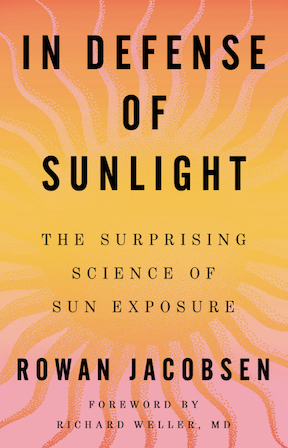
In Defense of Sunlight

Coming Summer 2026! Order Now

The Book That Launches a New Conversation about Light and Health

For decades, doctors have told us to avoid sun exposure, in order to reduce rates of skin cancer. And we listened. Sunscreen sales have exploded, and people spend less time in the sun than ever before. Yet the science consistently shows that moderate sun exposure leads to lower rates of many diseases. Sun deprivation is linked to heart attack, stroke, obesity, diabetes, dementia, depression, Parkinson’s, myopia, respiratory infections, certain cancers, and autoimmune conditions such as multiple sclerosis and inflammatory bowel disease. 

Now many researchers are warning that sun deficiency has become a major health hazard. Yes, too much sun exposure can cause skin cancer, but skin cancer kills very few people. Scientists estimate that reducing sun exposure enough to prevent one death from skin cancer leads to 50 unnecessary deaths from other, more dangerous diseases, and they are calling for a return to a more balanced approach. In Defense of Sunlight is the first book to make sense of this situation and to explain the key evidence that has changed researchers’ minds, including:

  • A Swedish study that tracked the sunbathing habits of 40,000 women for 20 years and found that sun-avoiders were twice as likely to die from any cause as regular sun bathers.
  • A UK study that attached light monitors to the wrists of 89,000 volunteers and found that over the next eight years, those exposed to the most light during the day were 34% less likely to die from any cause than those who got little sun exposure.
  • Studies of multiple sclerosis that show that MS incidence is five times higher in children who spend little time outdoors, and is dozens of times higher in low-sun regions compared to sunny climates. That trend is true for other autoimmune diseases as well.
  • U.S. studies showing that students’ cognitive performance improves in natural sunlight.

Through these and other studies, scientists have begun to understand why sensible sun exposure leads to longer, healthier lives. As In Defense of Sunlight explains, sun exposure:

  • Improves circadian rhythms, leading to better performance and mood during the day and better sleep and healing at night.
  • Produces dozens of beneficial compounds in the skin, including vital antioxidants and neurotransmitters that protect against cancer, dementia, anxiety, and aging.
  • Stimulates mitochondria, the powerpacks of the cell, increasing energy and longevity.
  • Reduces blood pressure through the production of nitric oxide, an essential compound that is the basis of many heart medications.
  • Soothes inflammation throughout the body, reducing stress and extending lifespan.

The upshot? Gentle sun exposure, tailored to one’s particular needs, is an essential part of any wellness routine. People have long suspected this; now they have the evidence to back it up.